Spec Battle: Coros Heart Rate Monitor vs Mavix M9 — Is It Worth Upgrading?
Introduction
The choice between two modern heart rate monitors often comes down to a handful of practical trade-offs: accuracy, comfort, connectivity, battery life, and how each device integrates into a user's training ecosystem. This article compares the Coros Heart Rate Monitor and the Mavix M9 across those dimensions to answer a simple question: for most athletes and fitness enthusiasts, is it worth upgrading? The short recommendation up front: if accuracy for high-intensity and multi-sport use is the priority, a chest-strap-style monitor like the Coros solution is usually the better upgrade; if comfort and all-day tracking with fewer chest-strap hassles is more important, an optical armband such as the Mavix M9 will appeal — but the decision should be based on specific use cases and device compatibility.
Product overviews
Coros Heart Rate Monitor — what to expect
Coros has built a reputation in the endurance-sports market for devices that emphasize reliable telemetry and battery efficiency. The Coros Heart Rate Monitor is positioned as a performance-focused sensor, typically offered in a chest-strap form factor. Chest straps pair directly with sports watches, bike computers, and smartphones using Bluetooth Low Energy (BLE) and often ANT+ for broader compatibility with cycling head units and trainer platforms. The Coros unit aims for tight, immediate response to rapid heart-rate changes — a key trait for interval workouts, threshold testing, and accurate calorie and training load calculation.
Mavix M9 — what to expect
The Mavix M9 is positioned as a comfortable, wearable heart-rate device that balances convenience with everyday wear. In many implementations of devices like the Mavix M9, the sensor is an optical monitor designed for wrist or upper-arm placement, using photoplethysmography (PPG) to measure blood volume changes. Optical monitors trade the snug contact of a chest strap for the flexibility of an arm or wrist unit, which many users find less intrusive for long rides, runs, or all-day activity tracking. The Mavix M9 focuses on comfort and modern connectivity to smartphones and fitness platforms, typically leveraging Bluetooth for pairing.
Detailed analysis: specs that matter in the real world
Rather than a laundry list of numbers, buyers usually care about how a sensor behaves during workouts and daily life. The sections below break down the practical strengths and weaknesses of the two approaches and how the two products typically stack up.
Sensor type and accuracy
Chest-strap (Coros) — Chest straps measure electrical signals from the heart (ECG-derived) and therefore deliver strong beat-to-beat accuracy. They are preferred for interval sessions, short sprints, rowing, and cycling when rapid heart-rate changes occur. Imperfect contact or a loose strap can degrade readings, but when fitted well they remain the gold standard for performance training.
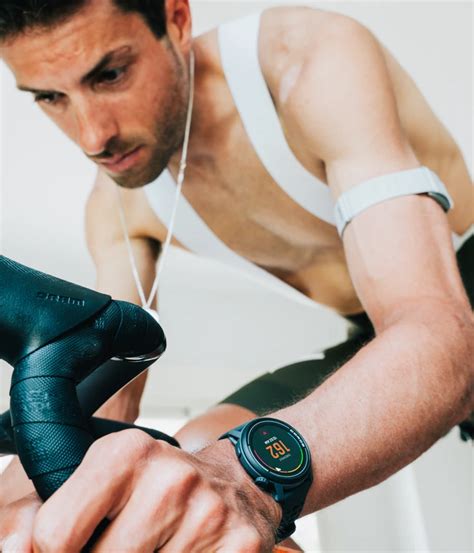
Optical (Mavix M9) — Optical sensors use light to detect blood flow. They are excellent for steady-state cardio and everyday monitoring, and their comfort makes them ideal for long-duration wear. However, optical sensors can be affected by motion artifacts, sensor placement, skin tone, and ambient light. Some modern optical designs and algorithms have narrowed the gap with chest straps, but on high-intensity intervals and activities with significant arm movement the chest strap tends to remain more consistent.

Connectivity and ecosystem
Compatibility is a frequent buyer concern because the monitor needs to work seamlessly with watches, bike computers, gym equipment, and training software. Coros units commonly support both BLE and ANT+, giving flexibility to connect to a bike head unit and a phone simultaneously. Mavix M9 devices commonly focus on BLE; this is ideal for smartphone apps and many fitness watches but may limit direct pairing with older ANT+-only hardware unless the user uses an intermediary device.
Battery life and convenience
Chest straps typically use replaceable coin cells or rechargeable batteries optimized for long durations between charges. For users who only wear a monitor during workouts, this is very convenient. Optical devices require more power because of the light sensors and processors; the trade-off is often a rechargeable battery with overnight charging. For an athlete who trains daily and also wants all-day HR monitoring, the optical device can be more convenient despite shorter runtime between charges.
Shop the latest Electronics picks on Amazon.
See Deals →Comfort, fit, and durability
Comfort is subjective but crucial. A well-designed chest strap will be barely noticeable during intense activity, but some users dislike the feeling of a strap around the chest when sleeping or doing casual daily activities. Armband and wrist sensors score higher on comfort for long wear, showering, and sleep tracking. In terms of durability, both types are usually water-resistant and designed to tolerate sweat; look for IP ratings or manufacturer guidance for repeated use in wet conditions.
Firmware, app support, and updates
Software and firmware matter. Devices that receive regular firmware updates improve sensor algorithms and fix bugs over time. Coros and Mavix both target fitness users and typically provide apps for device management and data syncing. Buyers should check how active the vendor is with updates and how well the monitor integrates with third-party platforms like training analysis tools, virtual trainers, and health ecosystems.
Side-by-side comparison
| Category | Coros Heart Rate Monitor | Mavix M9 |
|---|---|---|
| Sensor type | Chest-strap (ECG-style) — performance-oriented | Optical PPG — wrist/arm wearable for comfort |
| Typical accuracy | High during sprints and intervals; reliable for training metrics | Very good for steady-state and daily tracking; variable during rapid HR changes |
| Connectivity | Bluetooth LE + ANT+ (broad compatibility) | Bluetooth LE (excellent phone/app support) |
| Battery | Long runtime; often replaceable cell or low-drain rechargeable | Rechargeable; shorter runtime vs chest strap but designed for daily use |
| Comfort | Secure during activity; some users dislike chest strap for all-day wear | High — better for long wear and sleep tracking |
| Best for | Interval training, cycling, triathlons, precise training load tracking | Casual runners, gym users, people who want all-day HR and better comfort |
| Compatibility caveats | Works with most watches and trainers that support ANT+/BLE | Works well with phone apps and modern smartwatches; check older head unit compatibility |
Pros & cons
Coros Heart Rate Monitor
- Pros:
- High fidelity heart-rate data for intervals and sprints
- Broad pairing options (ANT+ and BLE) for bikes and trainers
- Typically long battery life between charges/replacements
- Reliable for structured training and power-to-HR analysis
- Cons:
- Chest straps can be less comfortable for long, all-day wear
- Some users report skin irritation if wet for long periods
- Requires proper fit to avoid false readings
Mavix M9
- Pros:
- Comfortable for extended wear, including sleep
- Easy smartphone integration and app-based management
- No chest strap hassle — preferred by many casual users
- Design is unobtrusive for non-competitive settings
- Cons:
- Optical sensors can struggle with motion artifact during high-intensity intervals
- Shorter runtime between charges than most chest straps
- May not pair directly with older ANT+-only equipment
Real-world use cases and what buyers typically care about
Different buyers have different priorities:
- Competitive runners and cyclists — Accuracy during rapid HR changes and compatibility with power meters and bike head units are priorities. Chest straps, like the Coros solution, generally win here.
- Triathletes — Multisport compatibility and water resistance are crucial. Chest straps that support quick transitions and swim use (or a proven optical alternative) are important.
- Casual runners and gym-goers — Comfort and convenience often outweigh sub-percent differences in accuracy. The Mavix M9’s comfort and ease of use make it attractive for this group.
- All-day health tracking — If an athlete wants sleep HR, resting HR trends, and continuous HRV-like metrics, an optical wearable that is comfortable for 24/7 wear tends to be preferred.
- Virtual cycling and trainer users — ANT+ and dual connectivity allow simultaneous pairing to a trainer and phone; chest straps often simplify this setup and reduce data dropouts.
Buying guide — how to choose between them
When deciding whether to upgrade or which product to choose, consider the following checklist:
1. Primary sport and training intensity
If training consists largely of intervals, threshold work, or cycling sprints, prioritize a chest strap for its responsiveness. For mostly steady aerobic sessions and lifestyle tracking, an optical device is sensible.
2. Device compatibility
Check whether the user’s bike computer, treadmill, or smartwatch requires ANT+ or only supports Bluetooth. If a bike head unit needs ANT+, a chest strap with ANT+ is the safer choice.
3. Comfort and wearing patterns
Decide whether the sensor will be worn only during workouts or continuously. For continuous wear, comfort, skin tolerance, and ease of charging matter more than marginal accuracy differences.
Shop the latest Electronics picks on Amazon.
Browse Now →4. Battery preferences
Some prefer a replaceable coin cell they change every few months; others prefer a nightly recharge. Consider which suits the user’s routine.
5. Integration and data workflow
Look into the vendor app and third-party integration. Does the monitor sync seamlessly to the training platforms the user already relies on? Does it support firmware updates?
6. Budget and long-term value
Price matters less than total value. A slightly more expensive chest strap could save wasted training time by giving more reliable data. Conversely, a comfortable optical monitor may be used more often, resulting in more useful long-term trends.
7. Warranty and support
Consider vendor reputation for support and firmware improvements. A device with active software support will often improve in performance over time.
Who should upgrade?
Upgrading makes sense in several scenarios:
- If the existing monitor consistently produces erratic readings during intervals — upgrading to a chest-strap Coros unit is likely to produce more reliable training data.
- If the user is moving from casual activity tracking to structured training (e.g., training plans, VO2 max testing), a performance-focused monitor provides better input for analytics.
- If comfort and daily wearability are the main complaints with a chest strap, moving to an optical device like the Mavix M9 could increase adherence to daily tracking goals.
- If the user’s ecosystem has shifted (for example, adopting an ANT+-enabled bike computer), choosing a monitor with the right connectivity avoids pairing headaches.
Conclusion
The decision between the Coros Heart Rate Monitor and the Mavix M9 ultimately depends on the user’s priorities. Coros-style chest straps shine when accuracy under changing loads, compatibility with a wide range of fitness hardware, and long battery life are essential. The Mavix M9 and similar optical wearables appeal to users who value comfort, all-day wear, and an unobtrusive experience. For athletes focused on precise interval training or multi-device setups (bike computer plus phone), upgrading to a chest-strap monitor is usually worth it. For those seeking a comfortable, low-friction device for daily monitoring and occasional workouts, the Mavix M9 is a compelling alternative. Evaluating primary activities, device compatibility, and wearing preferences will guide buyers to the right choice rather than any single spec on paper.