Don't Buy the Rog Xbox Ally X Until You Read This Full Analysis
Introduction
The handheld gaming market has matured rapidly in recent years, and the ROG Xbox Ally X arrives amid strong expectations. It positions itself as a bridge between the portable PC handheld category and the Xbox ecosystem, promising high performance, tight controller integration, and flexible connectivity. For buyers who value mobility without compromising on library access or controller feel, this device looks tempting. However, purchases in this segment require careful consideration: handhelds involve trade-offs among thermal management, battery life, software compatibility, and long-term support.
This analysis examines the ROG Xbox Ally X through practical, buyer-focused lenses. It does not attempt to persuade toward a purchase but instead organizes the technical and real-world considerations that typically matter to purchasers: ergonomics, performance, ecosystem, battery, accessories, and value. Readers will find a detailed breakdown, a pros and cons list, a comparative snapshot with other mainstream handheld options, and a buying guide aimed at different types of users.
Detailed Product Review & Analysis
Design and Build Quality
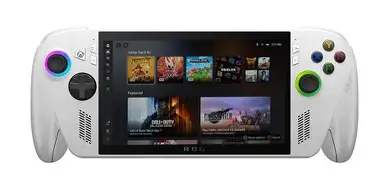
On first encounter, the ROG Xbox Ally X follows the handheld-PC aesthetic with a wide screen flanked by full-sized grip sections and integrated face buttons and analog sticks. Build quality is a key practical concern for handhelds because these devices endure being carried, held for long sessions, and repeatedly docked or undocked. The Ally X's chassis appears aimed at a balance between rigidity and weight-saving: a textured grip on the back and strategically placed vents to avoid accidental blockage by the palms. Buyers should check the feel of the analog sticks and shoulder triggers in person — subtle differences in resistance or wobble become apparent only after extended holding.
Display and Visual Experience
Display choices strongly influence perceived value in handhelds, especially for games with detailed visuals or fast motion. The ROG Xbox Ally X emphasizes a high-refresh, color-accurate panel designed for responsive play. In real-world use cases such as cloud gaming sessions, fast-paced shooters, and emulation of older consoles, a high refresh rate and low touch latency significantly improve the experience. However, buyers should weigh brightness and anti-reflection properties for outdoor play; a vivid panel indoors can still struggle under direct sunlight.
Controls and Ergonomics
Controls determine long-term comfort. The Ally X borrows from ergonomic lessons learned across the handheld landscape: offset analog sticks, a conventional D-pad option, responsive face buttons, and multi-stage shoulder triggers. Small differences — stick placement relative to hand size, trigger travel, or button mushiness — can make or break long sessions such as four-hour RPG marathons or competitive online matches. For those who play competitive titles or expect to remap extensively, button programmability and reliable haptics are practical considerations.
Performance and Thermals
Performance is where handhelds have the most visible trade-offs. The ROG Xbox Ally X targets high clock speeds and GPU throughput to run modern PC titles at reasonable settings while staying within thermal and power budgets. In typical consumer use cases — single-player AAA titles, cloud-assisted streaming, or indie titles — the device should be capable, but there are limitations. Sustained loads drive thermals and can trigger dynamic frequency scaling, reducing frame rates after prolonged sessions.
Shop the latest Electronics picks on Amazon.
See Deals →Thermal design matters: if the Ally X keeps surface temperatures and internal throttling under control, it will deliver steadier performance. Buyers who prioritize consistent frame rates for multiplayer or rhythm games should pay attention to cooling performance reports and third-party thermography tests once available. Likewise, the noise profile under load matters to commuters and those playing in quiet environments.
Battery Life and Charging
Battery life is often the most practical constraint for mobile use. The ROG Xbox Ally X, like other powerful handhelds, balances battery capacity against weight and size. Expect the typical real-world range: demanding native PC games may consume several hours of play (commonly 2–4 hours under heavy GPU load), while lighter games and cloud streaming can extend runtime into higher ranges. Fast charging and USB-C power delivery expand flexibility, but buyers should check whether the device supports pass-through charging while docked and the available power profiles for balancing performance with runtime.
Software, Ecosystem, and Xbox Integration
A primary selling point of the Ally X is its positioning within the Xbox ecosystem. Buyers often want seamless Game Pass access, low-latency cloud gaming, and easy pairing with existing Xbox accounts and friend lists. Where the Ally X may shine is in bundling a familiar interface for Xbox services while retaining the openness of a Windows-based platform for native PC titles. Practical questions for buyers include how the device handles account sign-in, whether Game Pass features such as cloud saves and party chat are full-featured, and whether updates are delivered smoothly without degrading performance or breaking compatibility.
Another consideration is controller emulation and mapping layers. If the device permits robust button remapping and profiles for different games, it becomes more flexible for multi-platform libraries, especially titles that expect an Xbox controller layout by default.
Connectivity and Docking
Connectivity options alter how the handheld fits into a home setup. A capable dock with video output, Ethernet, and additional USB ports turns a handheld into a compact home console. For users who want to alternate between handheld and docked TV play, the quality and latency of the docked experience, as well as the ease of connecting peripherals, are crucial. Wireless features such as Bluetooth for headsets and Wi‑Fi 6/6E for cloud streaming impact usability in crowded networks or when prioritizing low latency for online play.
Repairability and Long-Term Support
Handhelds are subject to wear — stick drift, battery degradation, and button fatigue are common failure points. Buyers who expect to keep a device for multiple years should consider repairability and the availability of spare parts. The Ally X's long-term value will depend on ASUS and Xbox's approach to firmware updates, spare parts, and service centers. Transparent maintenance policies and an active driver/update cadence are practical advantages.
Looking for the best Electronics deals on Amazon?
See Deals →Pros & Cons
- Pros:
- Strong integration potential with Xbox services and Game Pass for immediate access to a large library.
- High-performance hardware for a portable form factor, suitable for demanding PC titles in short bursts.
- Flexible connectivity and docking options that can convert the handheld into a living-room device.
- Ergonomic design choices aimed at longer play sessions and varied grip styles.
- Cons:
- Thermal and battery trade-offs: sustained heavy play can reduce performance and runtime noticeably.
- Potential for higher noise under load compared with less powerful or more conservative handhelds.
- Repairability and long-term support depend on manufacturer policies; stick drift and battery aging are real risks.
- Price tier may place it above simpler cloud-only or less powerful handheld alternatives for casual players.
How It Compares: Quick Reference
| Device | Performance (relative) | Display | Battery Life (typical) | Controls & Ergonomics | Best For | Price Tier |
|---|---|---|---|---|---|---|
| ROG Xbox Ally X | High (handheld Windows class) | High-refresh, color-focused | Moderate (varies by load) | Full controller layout, ergonomic grips | Mobile PC gaming + Xbox ecosystem users | Premium |
| Valve Steam Deck | Mid–High (optimized Linux/Proton) | Good, standard refresh | Moderate–Good (depending on model) | Compact with unique input surfaces | Steam-focused players and PC library enthusiasts | Mid |
| Asus ROG Ally | High (Windows handheld) | High-quality panels on some SKUs | Moderate (optimized profiles help) | PC-like layout, larger form factor | Portable Windows gaming without Xbox-specific integration | Premium |
Buying Guide: What to Consider Before Purchase
Who Should Consider the ROG Xbox Ally X?
- Gamers who subscribe to Game Pass and want a portable way to play a large library without switching device ecosystems.
- Users who value hardware flexibility — running native PC titles, streaming from an Xbox, or using cloud services interchangeably.
- Players who prioritize a premium display and responsive controls in a handheld form factor and are willing to accept compromises in battery life.
Who Should Think Twice?
- Casual players who primarily stream games and prefer longer battery life at the expense of raw power.
- Buyers on a strict budget: comparable experiences may be had for less with cloud-only devices or older handheld models.
- Those who want a near-silent device for quiet environments and are sensitive to fan noise during intense gameplay.
Specific Questions to Ask Before Buying
- How long does the device run under my typical usage pattern — native PC game, cloud streaming, or emulation?
- Does the Ally X support reliable, low-latency cloud streaming with the user's local network conditions?
- What are the warranty, repair, and spare-part policies for the region of purchase?
- Are there multiple SKUs or configurations, and which offers the best balance of storage, performance, and battery life for the intended use?
- How does the device handle software updates and maintain compatibility with Xbox and Windows ecosystems?
What to Test in Store or on First Boot
- Hold the device for at least 10–15 minutes to check for hand fatigue and button accessibility.
- Run a few gameplay sessions across genres: a fast-paced shooter, an open-world title, and a turn-based or indie game to evaluate thermal scaling and frame stability.
- Test Wi‑Fi and Bluetooth connectivity with the home router and preferred headset to confirm range and audio latency.
- Check docked output if planning TV play — ensure resolution, refresh rate, and peripheral compatibility meet expectations.
Accessories and Extras Worth Budgeting For
- A robust carrying case with compartments for cables and chargers.
- High-quality USB-C PD charger that matches the device's recommended wattage for faster charging and reliable dock power.
- Spare or official docks if the user plans to switch between multiple display setups.
- Protective grips or replacement thumbsticks if the user expects heavy use; thumbstick wear is common across handhelds.
Real-World Use Cases
Understanding how the Ally X fits practical activities clarifies whether it is the right choice.
- Commuter Play: For players who commute by public transport and want native PC play, the Ally X offers robust performance. Battery life and screen brightness are key here; cloud-only devices might be more battery friendly but lack local performance delivery.
- Home Hybrid Setup: Users who want a device that doubles as a handheld and a living-room console will value a solid dock and low-latency TV output. The Ally X's docking capability can be a major advantage if it is seamless and reliable.
- Cloud Gaming First Users: For Game Pass subscribers who primarily play streamed titles, the Ally X can be an optimized host that integrates accounts and controller mapping — but similar experiences are available on tablets and phones if weight and battery life are priorities.
- Developers and Portability Enthusiasts: Indie developers testing builds on a portable Windows platform may appreciate the Ally X for its native support for PC tools, while content creators might use it for on-the-go capture and remote demos.
Conclusion
The ROG Xbox Ally X stands at an intersection of capability and compromise. For buyers who prioritize high performance, tight Xbox ecosystem access, and flexible docking, it presents a compelling proposition — provided that thermal performance, battery life, and long-term support align with expectations. Conversely, those who value extended runtimes, whisper-quiet operation, or the most budget-friendly cloud-first experience should weigh alternatives.
Ultimately, the right decision depends on the buyer's primary use cases. If seamless access to Game Pass on a portable, powerful device is the highest priority and the buyer accepts shorter battery life under heavy loads, the Ally X could be a strong match. If the priority is long unplugged time, minimal fan noise, or the lowest up-front cost, it may be worth exploring other devices before committing.
Before making a purchase, prospective owners should verify real-world battery tests, thermal behavior under sustained load, the quality of Xbox integration in live builds, and the regional service policies that will determine repair and longevity. Armed with those facts, one can decide whether the ROG Xbox Ally X meets their portable-gaming needs — or whether a different approach better serves their priorities.