5 Hidden Features of the Vomero 17 You Must Know About
The Evolution of Premium Cushioning in Modern Footwear
Innovation in the footwear industry often moves in cycles, alternating between radical departures from tradition and the refined perfection of established concepts. The Vomero 17 represents the pinnacle of the latter. For over a decade, this specific line has served as the gold standard for high-mileage neutral performance, catering to those who prioritize structural integrity and impact absorption above all else. However, as materials science has advanced, the line between a traditional daily trainer and a high-performance marathon tool has blurred. The latest iteration manages to bridge this gap by incorporating sophisticated foam architectures that were once reserved exclusively for elite racing silhouettes.
When consumers evaluate a high-end trainer, they typically look for a balance of longevity and immediate tactile comfort. The Vomero 17 addresses these primary concerns through a sophisticated dual-density midsole system that provides a transformative experience for the wearer. Unlike its predecessors, which relied heavily on specific mechanical air units for responsiveness, this model leans into the organic properties of advanced polymers. This shift in design philosophy suggests a deeper understanding of how the human foot interacts with varied surfaces over extended periods. In this exploration, we will uncover the nuances of its construction that often escape the casual observer but make a world of difference during a triple-digit mileage month.
Detailed Product Analysis: Engineering the Perfect Ride
At the heart of the Vomero 17 is a complete reimagining of the underfoot experience. The removal of the traditional Zoom Air units—a staple of the brand for years—was a daring engineering choice. By opting for a "full-foam" approach, the designers have eliminated the stiff transition points often created by plastic-encased air chambers. Instead, the shoe utilizes a stacked foam configuration. The top layer consists of a highly resilient, PEBA-based foam known for its energy return and soft feel. Directly beneath this sits a firmer, more stable carrier foam that provides the necessary structure to prevent the foot from sinking too deeply into the plush upper layer.
The upper construction is equally meticulous. It utilizes a multi-layered engineered mesh that provides targeted zones of breathability and support. In the midfoot, the weave is tighter to lock the foot down over the platform, while the forefoot features a more open pattern to allow for natural toe splay and heat dissipation. The heel collar and tongue are generously padded, reflecting the shoe's identity as a premium product designed for "maximalist" comfort without the extreme stack heights that can lead to instability. The outsole further complements this with a redesigned lug pattern that maximizes surface area contact, ensuring that the transition from heel-strike to toe-off is as fluid as possible.
Hidden Feature 1: The Dual-Density Foam Synergy
While many shoes claim to use multiple foams, the magic of the Vomero 17 lies in the specific ratio of ZoomX to Cushlon 3.0. The top layer of ZoomX is not just a thin sliver for marketing purposes; it is a substantial slab that provides the primary cushioning sensation. However, the hidden genius is the Cushlon 3.0 carrier. This firmer foam is contoured like a cradle, wrapping around the softer ZoomX. This prevents "bottoming out," a common issue where a shoe feels great for the first five miles but loses its life as the material compresses under heat and repeated stress. This synergy ensures that the softest part of the shoe remains active and responsive even at the end of a long day on the feet.
Hidden Feature 2: Decoupled Outsole Geometry
If you look closely at the bottom of the shoe, you will notice a deep longitudinal groove extending from the heel to the forefoot. This is the "guidance line," and in the Vomero 17, it has been recalibrated to work with the new foam densities. By decoupling the lateral and medial sides of the outsole, the shoe allows for independent compression and expansion. This is a hidden boon for runners with neutral gaits who might occasionally experience slight supination or pronation as they fatigue. The shoe essentially "morphs" to the specific pressure map of the wearer's foot, providing a customized landing zone every time.
Discover deals on Electronics — updated daily.
Browse Now →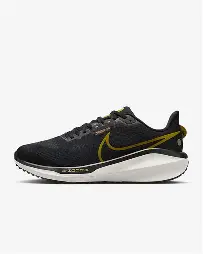
Hidden Feature 3: The Integrated Midfoot Banding System
Stability in a neutral shoe is often an afterthought, but here it is integrated into the lacing system through hidden internal bands. These bands are not visible from the outside, hidden beneath the primary engineered mesh. When you tension the laces, these bands pull synchronously from the midsole, creating a 360-degree wrap around the arch. This "dynamic fit" ensures that the foot stays centered over the dual-density stack. It prevents the shearing forces that often cause blisters or a feeling of "sliding" within the shoe during sharp turns or on uneven pavement.
Hidden Feature 4: Strategic Tongue Perforation and Gusseting
The tongue of the Vomero 17 is often cited for its comfort, but the engineering details are what make it functional. It is fully gusseted, meaning it is attached to the sides of the internal lining, which prevents it from migrating during movement. More importantly, the padding within the tongue features laser-cut perforations. These holes align with the heat-prone areas of the dorsal foot. As the foot moves, it creates a bellows effect, pushing hot air out through the tongue. This thermal management is a "hidden" feature because it isn't listed on the box, but it is responsible for the shoe's ability to remain comfortable in high-temperature environments.
Hidden Feature 5: Variable Lug Depths for Multi-Surface Traction
While it is primarily a road shoe, the outsole rubber compound and lug design indicate a broader range of capability. The waffles in the forefoot have variable depths: deeper toward the center for traction on loose gravel and shallower at the edges to maintain a smooth transition on asphalt. The rubber itself is a high-abrasion compound that has been injected with air during the manufacturing process (blown rubber) in specific forefoot zones to add yet another layer of micro-cushioning. This ensures that the outsole contributes to the overall "plush" feel rather than acting as a hard, jarring barrier against the ground.
The Buyer Context: Who Is This For?
This product occupies a unique space in the market. It is not a racing flat for those chasing personal bests in a 5K, nor is it a heavy-duty motion control shoe for severe overpronators. Instead, it serves the "dedicated enthusiast"—the person who values their joints and wants a reliable tool that feels the same at mile 1 as it does at mile 500. It is also an exceptional choice for professionals who spend eight to twelve hours a day on their feet, such as healthcare workers or retail managers, where the impact protection is a necessity rather than a luxury.
Pros and Cons
- Pro: Ultra-Responsive Energy Return: The inclusion of PEBA foam ensures that every step feels springy, reducing the perceived effort during long durations of movement.
- Pro: Superior Thermal Management: The combination of the perforated tongue and thin-ply mesh prevents the "hot foot" sensation commonly associated with high-stack trainers.
- Pro: Enhanced Geometric Stability: A wider base than previous iterations provides a secure platform that instills confidence on varied terrain.
- Pro: Exceptional Build Quality: The materials used in the upper and the high-abrasion rubber outsole suggest a lifespan that exceeds the industry average of 300-400 miles.
- Con: Weight Penalty for Cushioning: While lighter than many of its peers, it is still heavier than dedicated tempo or race-day shoes due to the generous padding.
- Con: Break-in Period for the Carrier Foam: The lower Cushlon layer can feel slightly firm for the first 10-15 miles before it fully softens and integrates with the upper foam layer.
Comparison of Premium Daily Trainers
| Feature | Vomero 17 | Standard Neutral Trainer | Max Cushion Competitor |
|---|---|---|---|
| Primary Foam | Dual-Density (ZoomX + Cushlon) | Single Density EVA | High-Volume Superfoam |
| Transition Feel | Fluid and Continuous | Standard / Linear | Rocked / Aggressive |
| Arch Support | Dynamic Internal Banding | Standard Structural Mesh | Usually Minimal |
| Durability Rating | High (500+ miles) | Moderate (300-400 miles) | Low (200-300 miles) |
| Upper Comfort | Plush, Padded, Gusseted | Lightweight, Minimal | Maximum Volume, Heavy Padding |
Buying Guide: Making the Right Choice
When selecting a shoe in this category, it is vital to understand your specific biomechanical needs. The Vomero 17 is a neutral shoe, which means it is designed for a foot that rolls slightly inward naturally to absorb shock. If you have been told you need significant support, you might find the plushness of this model too unstable. However, for the vast majority of people, the inherent stability provided by the wide platform and the carrier foam is more than sufficient.
Find top-rated Electronics products at great prices.
View Offers →Consider the environment in which you will use the product. If your daily routes involve a mix of paved paths, concrete sidewalks, and occasional well-groomed park trails, the variable lug depths of this model make it a versatile "quiver-of-one" option. Size selection is also critical; the engineered mesh is forgiving but has a structured midfoot. Most users find that their standard athletic shoe size works best, but if you prefer a very high-volume sock, going up a half size might be beneficial to accommodate the luxurious padding of the heel and tongue.
Finally, think about the frequency of use. If you are moving every day, a dual-foam system is advantageous because it handles "compression set" better than cheaper single-foam alternatives. This means the shoe will "recover" faster between sessions, providing the same level of protection on Tuesday morning as it did on Monday afternoon. While the initial investment in a top-tier model like the Vomero 17 is higher, the cost-per-mile often ends up being lower because the shoe maintains its integrity for a significantly longer period.
Conclusion
The Vomero 17 is a masterclass in subtle refinement. By moving away from flashy, visible tech like external air windows and focusing on the underlying chemistry of its foams and the geometry of its chassis, it has reclaimed its spot as a primary choice for serious enthusiasts. It respects the heritage of comfort associated with its name while embracing the high-output materials of the modern era. The five hidden features—from the internal banding to the thermal-wicking tongue—work in concert to create a user experience that is greater than the sum of its parts. For those seeking a dependable, high-performance companion that doesn't compromise on plushness, this model sets a benchmark that will be difficult for others to surpass in the current landscape of footwear engineering.